Best Conference Room Webcams in 2026: 8 Picks for Every Room

The best conference room webcam is not simply the model with the highest resolution. Room depth, seating layout, microphone reach, framing method, and deployment workflow all affect how well a camera performs during an actual meeting.
A compact USB webcam may be enough for one to three people, while a dedicated huddle room often needs wider coverage, stronger audio, and a built-in speaker. Round-table discussions, moving presentations, and large conference rooms require different camera designs again. This guide compares eight options by the meeting scenario and room problem each one is best equipped to solve.
In This Guide
- Quick Comparison
- The 8 Best Conference Room Webcams
- How to Choose a Conference Room Webcam
- Frequently Asked Questions
Quick Comparison: Best Conference Room Webcams in 2026
| Model | Procurement Scenario | Best Fit | Camera and Framing | Audio and Deployment | Approx. Price | Main Trade-Off |
|---|---|---|---|---|---|---|
| OBSBOT Meet Flip | Small or portable meetings | Traveling professionals and small shared spaces | 4K30, 1080p60, auto-framing, 79.1° FOV | Dual microphones; USB BYOD; uses the room's existing speaker | About $119 | Not designed to cover a deep room |
| Logitech MX Brio | Two- or three-person desktop meetings | Participants seated close to one display | 4K30, 1080p60, 65°/78°/90° FOV | Dual beamforming microphones; USB; no built-in speaker | About $200 | Short audio reach limits room size |
| OBSBOT Tiny 3 | Solo presentations and whiteboards | A presenter who moves while speaking | Motorized PTZ, 4K30, 1080p120, voice and AI tracking | Three-mic stereo system; USB; optional wireless mic | About $349 | Framing favors one active presenter, not a table group |
| Logitech MeetUp 2 | Small huddle rooms | A fixed room for roughly two to six people | 4K, 120° diagonal FOV, digital PTZ, group and speaker framing | Six-mic array, 23 ft pickup, built-in speaker; BYOD or room PC | About $999 | Expensive if you only need a webcam |
| Jabra PanaCast 50 | Shallow and wide rooms | Tables positioned close to a wall or display | Panoramic 4K, 180° view, AI video stitching | Eight beamforming mics and four speakers; centrally managed video bar | About $1,200 | Wide coverage is less useful in a long, deep room |
| Meeting Owl 5 Pro | 360° round-table meetings | Participants seated around a central table | 4K 360° capture and active-speaker framing | Eight beamforming mics, dual speakers, 18 ft pickup; USB-C BYOD | $2,599 | Premium price and processed 360° video |
| Kandao Meeting Ultra | Standalone meeting rooms | Teams that do not want to bring a laptop | Dual 4K 360° cameras, speaker and gallery views | Eight mics, 5.5 m pickup, 10W speaker, Android and dual touchscreens | About $2,899 | Large, expensive, and more complex to manage |
| Poly Studio E60 | Large rooms or distant presentations | Long tables, stages, and presenters far from the camera | 4K mechanical PTZ, 12x optical zoom, presenter tracking | Designed to join a separate room-audio and conferencing system | About $2,150 | Camera-focused purchase; room audio costs extra |
The 8 Best Conference Room Webcams and Cameras
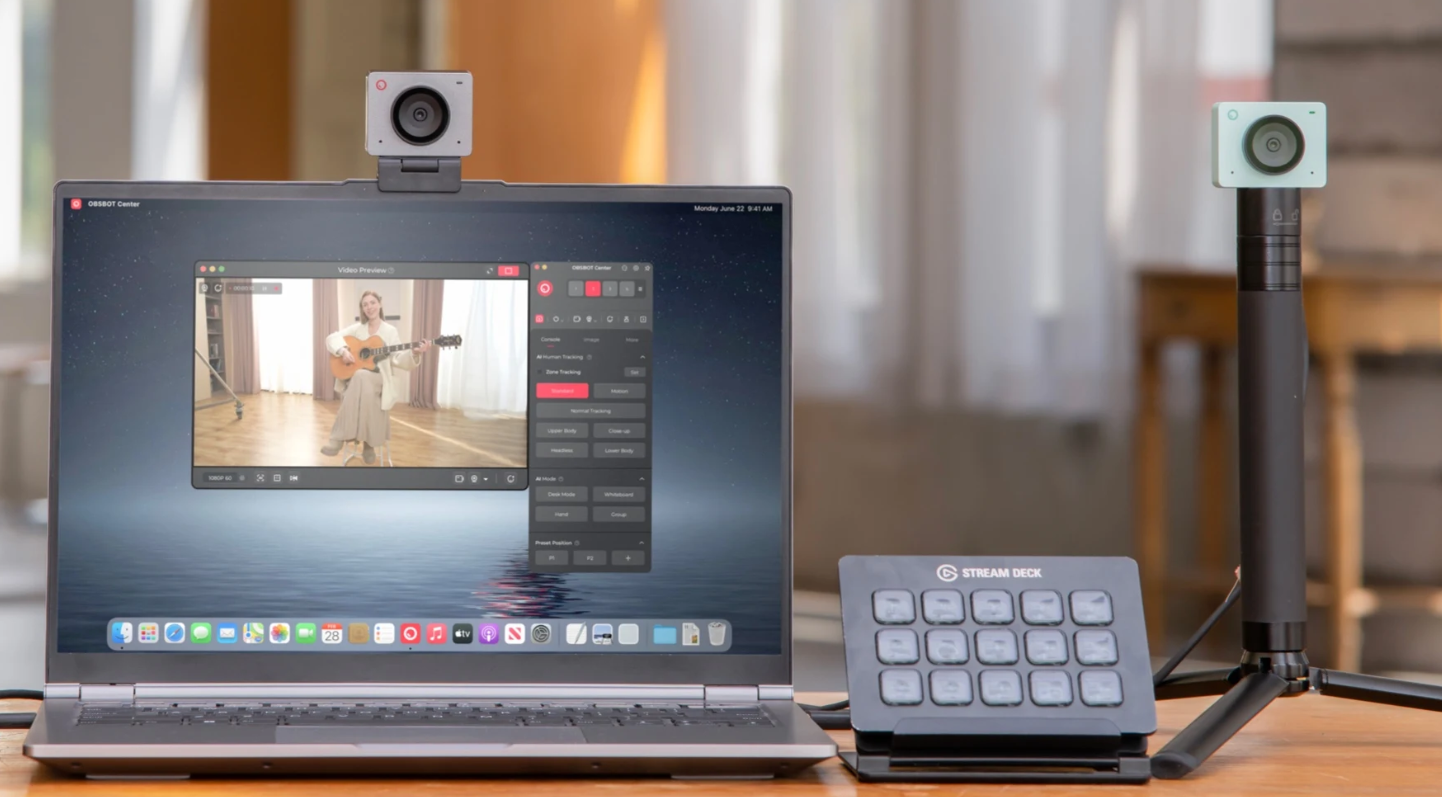
1. OBSBOT Meet Flip: Best for Small and Portable Meetings
The 37.7 g OBSBOT Meet Flip solves a common small-room problem: better video than a laptop camera without permanent equipment in every shared space.
Why it works in a portable meeting setup:
- Its folding body doubles as a stand and physical lens cover, so there is no loose privacy cap to lose.
- 4K30 gives auto-framing enough detail to crop around one or two speakers, while 1080p60 is useful when a presenter gestures or demonstrates a product.
- Three microphone patterns can prioritize one speaker or a short conversation across a table.
- AI auto-framing can widen for a small group, reducing the usual interruption when another person joins the call.
Best fit: Portable BYOD, one to three people, or a temporary room where setup speed and privacy matter.
Keep in mind: Meet Flip has no built-in speaker, and its 79.1-degree field of view is not intended to cover a long conference table.
2. Logitech MX Brio: Best for Two- or Three-Person Desktop Meetings
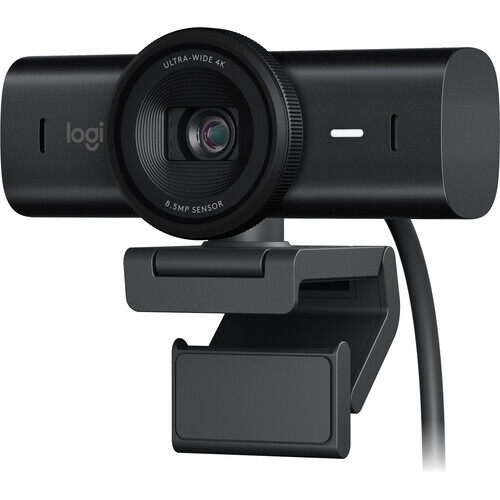
MX Brio sits between a personal webcam and a room system. It suits an executive office or desktop meeting where two or three people sit close together.
Its 65° view keeps one person prominent, 78° fits a typical desk, and 90° includes a nearby colleague. Show Mode tilts toward documents, sketches, or prototypes, a practical advantage during a design review.
Works best when: Everyone sits within a few feet of the computer and the meeting uses the laptop or an existing speakerphone for sound.
Where it stops: The dual microphones have limited reach and there is no speaker. It also cannot physically follow someone walking to a whiteboard.
3. OBSBOT Tiny 3: Best for Solo Presentations and Whiteboards
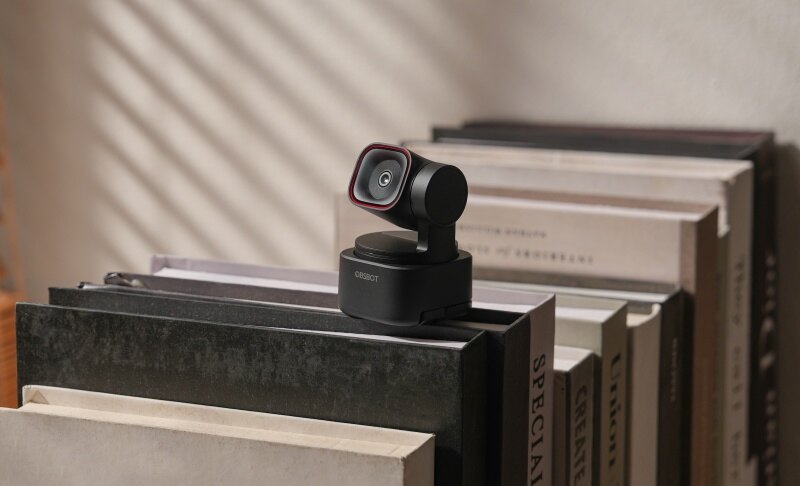
OBSBOT Tiny 3 is built for one presenter who stands, turns toward a whiteboard, or moves between demonstration areas.
Its motorized PTZ follows the subject instead of merely cropping a fixed image. AI Tracking 2.0, Voice Locator, and Whiteboard Mode help a trainer remain visible beside written content. The 1/1.28-inch sensor also handles uneven room lighting better than a small webcam sensor.
What changes during the meeting:
- The presenter can move naturally without asking someone to operate the camera.
- 4K30 preserves detail for products and local recording; 1080p120 suits motion-heavy demonstrations.
- The three-microphone stereo system provides several pickup patterns, and an optional OBSBOT Vox SE can place the microphone closer to a moving speaker.
Worth it when: The meeting centers on one trainer, lecturer, executive, or product demonstrator.
Look elsewhere when: Six people must remain visible around a table. It is not a substitute for a 180° or 360° group camera.
4. Logitech MeetUp 2: Best for Small Huddle Rooms
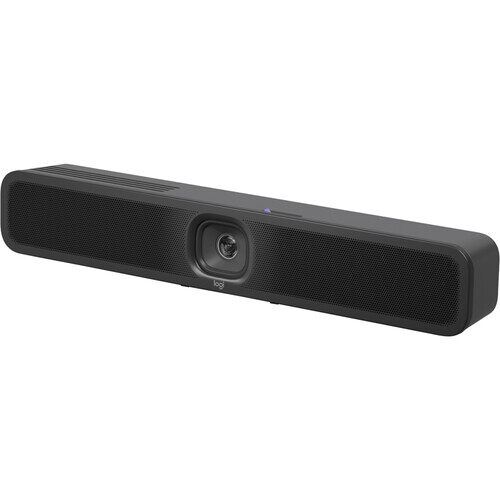
Personal webcams may show a huddle room but rarely sound good across it. Logitech MeetUp 2 combines the camera, six microphones, and a full-range speaker in one fixed bar.
Its 120° diagonal view covers seats close to the display, while RightSight 2 frames the group or current speaker. The microphone array has a stated 23-foot pickup range, echo cancellation, and AI noise suppression, helping far-side participants sound clearer than they would through a laptop.
Several review platforms have praised its flexible BYOD and room-PC deployment, along with the usefulness of its AI framing features. However, they also point out that it costs considerably more than a standard webcam.
The strongest case: A company wants every huddle room to behave the same way and values reliable audio, remote management, and fewer loose components.
Main drawback: It is excessive for an individual office, and it does not operate as a completely standalone Android meeting appliance.
5. Jabra PanaCast 50: Best for Shallow, Wide Rooms
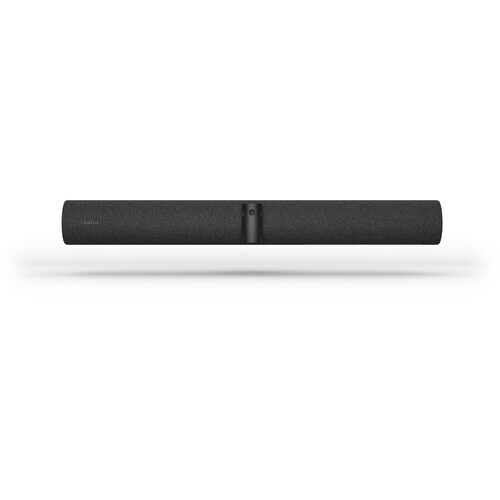
Jabra PanaCast 50 uses three cameras stitched into a 180° panoramic 4K view for rooms that are wide but not deep.
Wall-to-wall coverage keeps the nearest seats visible even when the table sits close to the display. Virtual Director and Dynamic Composition can then reframe active speakers instead of leaving everyone as tiny faces in one panorama.
Eight beamforming microphones help locate voices and reduce noise, while four speakers provide full-duplex conversation without a separate speakerphone. Centralized management also suits multiroom deployment.
Good choice for: A shallow boardroom, a wide huddle room, or any layout where people sit close to the camera and span the width of the space.
Pass if: The room is long and the important speaker may stand far from the display. A 180-degree digital system cannot match the distant detail of a camera with optical zoom.
6. Meeting Owl 5 Pro: Best for 360° Round-Table Meetings
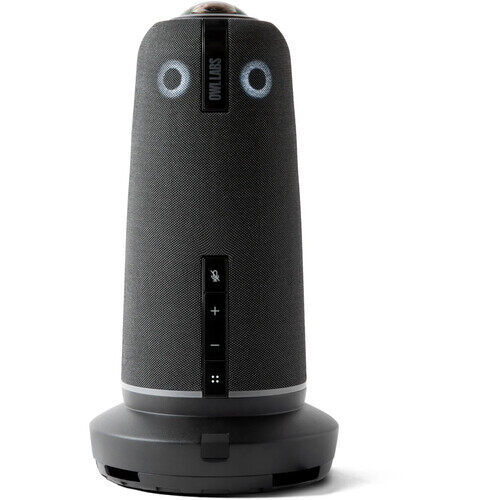
A front camera often shows the profiles of people around a circular table. Meeting Owl 5 Pro sits in the center, captures 360°, and identifies the active speaker.
Remote participants see both the speaker and the wider table rather than a static fisheye view. The 5 Pro adds 4K capture, eight beamforming microphones with an 18-foot pickup radius, dual speakers, USB-C BYOD, HDMI, and Ethernet.
Review platforms have praised its responsive speaker detection and clear audio adjustment, both of which help remote participants follow conversations around the table. A commonly mentioned limitation is that footage captured in mixed lighting can appear softer than the 4K specification might suggest.
Buy for: Round tables, collaborative workshops, and meetings where several people speak from different directions.
Think twice if: The room is used mainly for a presenter at the front. At $2,599, a conventional PTZ camera or video bar may provide a cleaner, less processed view for that layout.
7. Kandao Meeting Ultra: Best Standalone Conference System
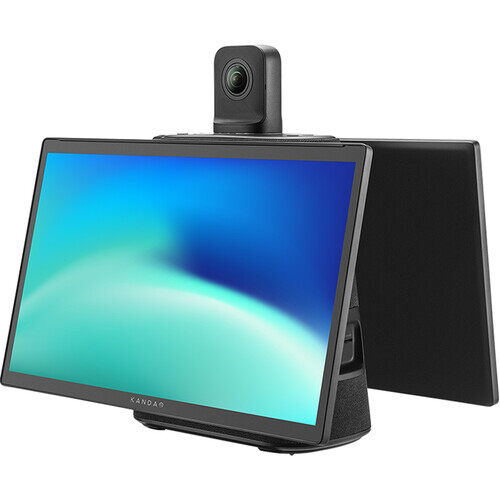
Kandao Meeting Ultra is a self-contained station with dual 4K 360° cameras, two 15.6-inch touchscreens, Android, eight microphones, and a 10W speaker. Supported meeting apps run without a user's laptop.
What it replaces:
- A separate room computer for supported Android meeting apps;
- A center-of-table 360° camera and speakerphone;
- Small local displays for seeing remote participants and controlling the meeting;
- Manual camera switching, through speaker, gallery, global, and forum views.
Its 5.5-meter microphone radius and full-duplex audio suit shared rooms. HDMI input/output, USB mode, AirPlay, and Miracast add several ways to share content or connect an external display.
Reviewers often highlight the all-in-one design as particularly useful in temporary or flexible meeting rooms. Because the cameras, displays, microphones, speaker, and meeting system are combined in one device, teams can start calls without assembling several components or repeatedly asking IT for setup help.
Best operational fit: A flexible room that must start meetings without a user-supplied laptop or a collection of separate components.
The trade-off: It is heavy and expensive, and the IT team should confirm that required apps, updates, security policies, and device management fit the organization's standards before deployment.
8. Poly Studio E60: Best for Large Rooms and Distant Presenters
In a large room, digital cropping makes a distant presenter look soft. Poly Studio E60 uses mechanical PTZ and 12x optical zoom to move from a wide view to the far end without throwing away detail.
Poly DirectorAI adds presenter and group framing as a speaker moves between a lectern and display. It is a better fit for a long boardroom or training space than stretching a 90° desktop webcam beyond its intended distance.
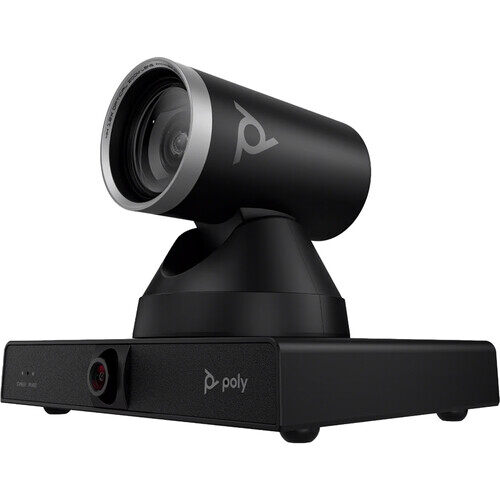
Use it when: The room needs true optical reach, controlled PTZ movement, or reliable tracking of a presenter far from the camera.
Do not treat it as: A complete all-in-one conference bar. The E60 is primarily the camera component of a larger room system. Plan for separate microphones, speakers, a room computer or codec, and professional placement. That raises total cost, but it also lets an AV team build audio coverage for the actual room instead of accepting the limits of a webcam microphone.
How to Choose a Conference Room Webcam
- Match the camera to the room and seating layout. For one to three people close to a computer, a 79- to 90-degree webcam may be enough. A small huddle room usually benefits from a 110- to 120-degree video bar. Choose 180 degrees for a shallow room with seats spread across the camera wall, 360 degrees for a round or central table, and optical PTZ for a long room.
- Treat audio range as a separate specification. A sharp image cannot rescue a meeting when people at the back sound distant. Check the stated microphone pickup distance, whether a speaker is built in, and whether expansion microphones are available. Camera microphones used for voice tracking do not always replace a room-audio system.
- Decide how meetings will start. USB BYOD is flexible and inexpensive, but someone must bring and connect a laptop. A room PC provides a repeatable Teams Rooms or Zoom Rooms experience. An Android-based standalone system can reduce setup steps, although IT must manage another operating system and app lifecycle.
- Choose the right type of framing. Digital auto-framing is sufficient for a small group close to the camera. Motorized PTZ is better for one moving presenter. Active-speaker and gallery views help remote attendees follow a group discussion, while a 360-degree camera works best when speakers sit around the device.
- Check platform compatibility and management. Confirm support for Zoom, Microsoft Teams, Google Meet, or Webex, but distinguish basic USB compatibility from official room certification. Businesses deploying several rooms should also look for remote updates, health monitoring, encryption, and physical privacy controls. For an individual workstation, see our guide to the best webcams for Zoom.
- Budget for the complete room. The camera price may not include a speakerphone, expansion microphones, room computer, mounting, controller, subscription, or installation. Compare the complete three-year setup rather than assuming the least expensive camera creates the least expensive room.
Frequently Asked Questions
What is the difference between a conference room webcam and a conference room camera?
A conference room webcam usually connects to a laptop by USB and works best for individuals or small groups. A conference room camera may be a video bar, 360-degree system, or PTZ unit with wider coverage, stronger audio, integrated speakers, platform certification, and centralized management. The terms overlap, so evaluate the complete system rather than the product label.
What field of view is best for a conference room?
Around 75 to 90 degrees works for a desk or very small group. A 110- to 120-degree view is more suitable for a huddle room where people sit near the display. A 180-degree camera helps in a shallow, wide room, while 360-degree coverage works around a central table. Long rooms usually benefit more from optical zoom than an extremely wide lens.
Is a built-in webcam microphone enough for a conference room?
It can be enough for one to three people sitting close to the camera. For a shared room, check the rated pickup distance and whether the product includes echo cancellation and a speaker. Medium and large rooms often need a video bar, expansion microphone, ceiling microphones, or a separate audio system.
Do I need a Teams Rooms or Zoom Rooms-certified camera?
Not for ordinary USB meetings. Most UVC cameras can work as sources in major meeting apps. Certification becomes more valuable in permanently installed rooms because it improves interoperability, one-touch joining, device management, and support. Confirm the complete room configuration, since certification may apply to a bundle rather than the camera alone.
Should I choose a PTZ or 360-degree conference camera?
Choose PTZ when the important subject is usually in front of the room or moves between presentation areas. Choose 360 degrees when participants sit around a table and several people speak from different directions. For a shallow room with participants spread from side to side, a 180-degree video bar may be the better middle ground.
Final Recommendation
Start with room geometry, audio distance, and deployment, not 4K alone. OBSBOT Meet Flip and MX Brio cover small portable meetings; OBSBOT Tiny 3 follows a moving presenter; MeetUp 2 and PanaCast 50 solve dedicated huddle-room layouts; Meeting Owl 5 Pro and Kandao Meeting Ultra improve round-table participation; and Poly Studio E60 provides the optical reach a large room needs. The best conference room webcam lets every participant be seen and heard without setup friction.